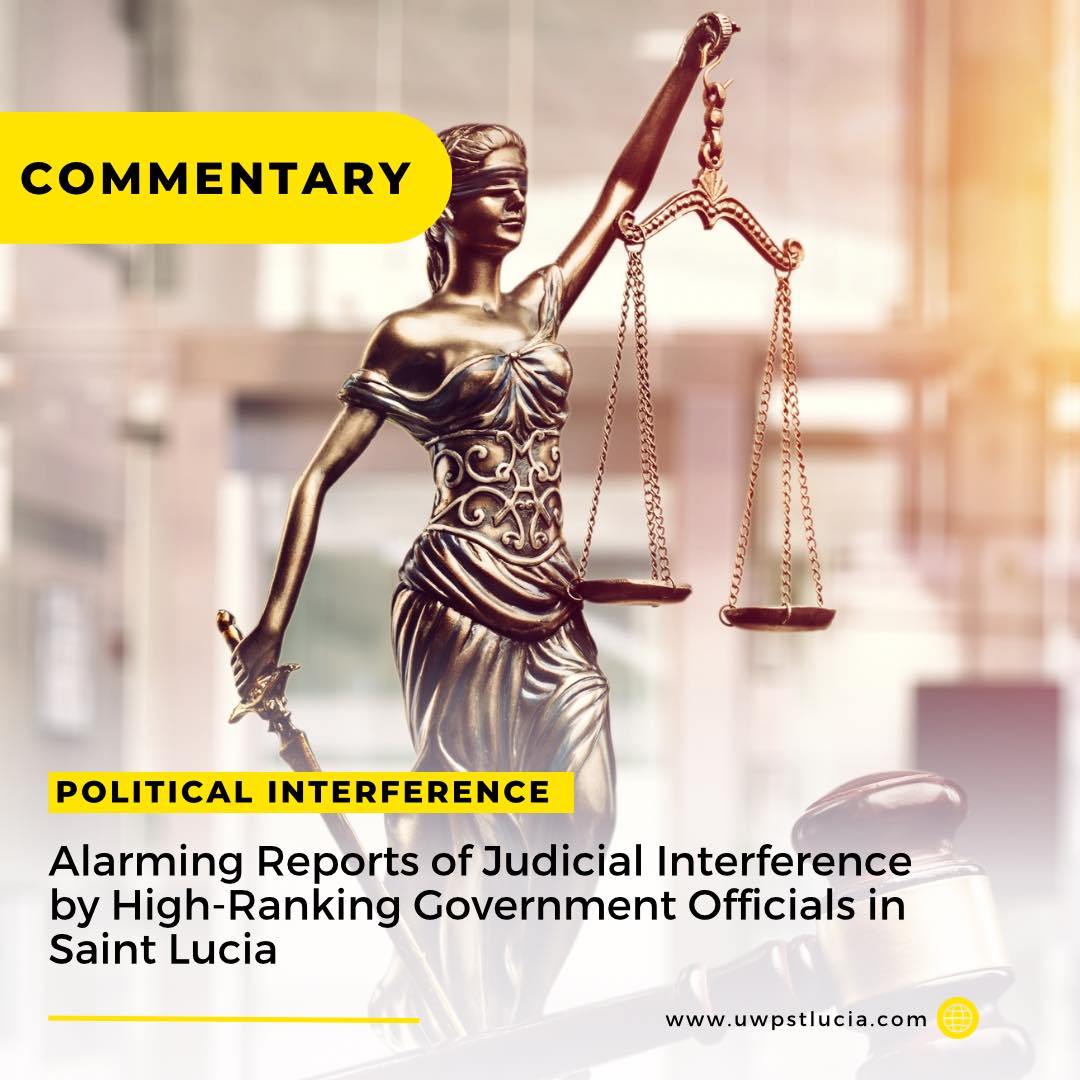
One of the fundamental principles of a democratic society is the separation of powers between the three branches of government: the legislative, the executive, and the judiciary. The independence of the judiciary is essential to ensure that justice is dispensed impartially and without any external influences. When high-ranking government officials allegedly interfere in the judicial process, it threatens the very foundation of a fair and transparent legal system.
Reports indicating that government officials are attempting to influence judicial decisions cast a shadow of doubt over the credibility of the judiciary’s verdicts. Citizens must have confidence that court rulings are based solely on the merits of the case and are free from any undue pressure or manipulation. The moment such confidence wavers, the entire justice system comes under question, undermining citizens’ faith in the rule of law.
To address these concerns, it is imperative that the government and judiciary address these reports transparently and with a commitment to upholding the rule of law. Any allegations of interference should be thoroughly investigated by an independent body, ensuring that the process remains free from any undue influence. The judiciary must also play an active role in safeguarding its own integrity, upholding the principles of fairness and impartiality. #PuttingYouWorse#PierreEhCare

Comparing Costs: The St Lucia Labour Party’s Hypocrisy on Sports Facility Spending
The St. Lucia Labour Party (SLP) previously criticized the UWP Administration for allocating EC$2.5 Million to International Sports Venue Design and Development Specialist, Don Lockerbie, for the design, procurement, and supervision of upgrades to five national sports facilities. These facilities included the Soufriere Mini Stadium, Desruisseaux Playing Field, Micoud Playing Field, Dennery Sports Complex, and the Saint Lucia Sports Academy.…
Read more
by Content Manager